Best Auto Repair Tips: How to Keep Your Vehicle Running Smoothly
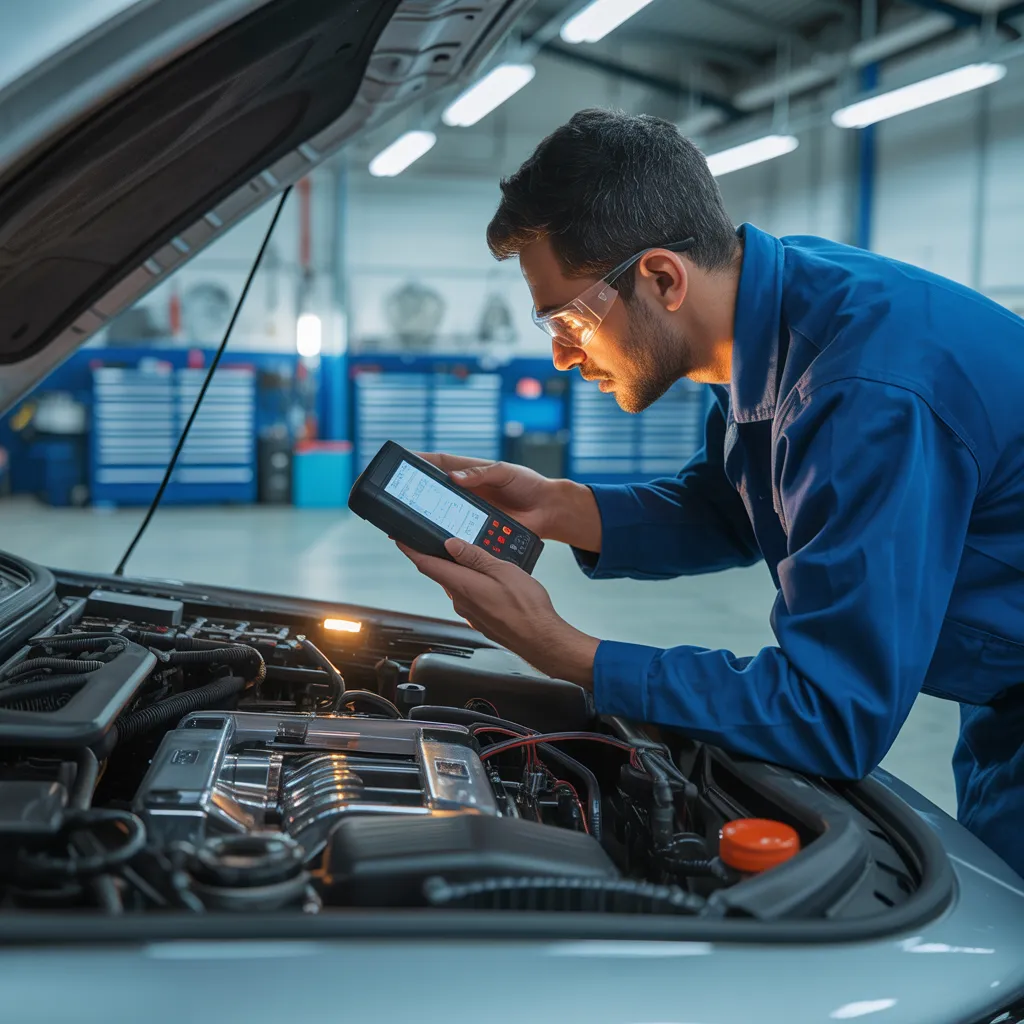
Vehicle maintenance is essential for longevity and performance. Important tasks like regular tire checks, fluid inspections, and battery upkeep are the basis of effective upkeep. Understanding when to replace engine oil and how to check brakes is equally necessary. Seasonal adjustments can further improve vehicle reliability. Discovering the finer points of these maintenance tasks can prevent expensive repairs later. What steps can drivers take to assure their vehicles stay in peak condition?
Vital Maintenance Activities to Preserve Your Automobile Healthy
Maintaining a vehicle in prime condition demands regular maintenance tasks that every owner should prioritize. These critical duties include inspecting tire pressure and tread wear, which guarantees peak performance and safety. Owners should frequently check and swap out air filters to preserve engine performance. Moreover, monitoring fluid levels—such as coolant, brake fluid, and transmission fluid—is vital for avoiding future problems.
Regular inspections of the battery terminals and connections help prevent starting problems. Wiper blades should be checked and replaced as needed for clear visibility during adverse weather. In addition, preserving the vehicle's exterior through regular washing and wax treatments protects the paint and prevents rust.
When and Why to Change Engine Oil
At what time should you switch engine oil, and why is this essential for the longevity of a vehicle? Maintaining regular oil changes is essential for engine performance and boosting a vehicle’s life. Most automotive experts suggest changing the oil every 3,000 to 7,500 miles, according to the type of oil used and driving conditions. Conditions like frequent short trips, extreme heat or cold, or towing heavy loads may necessitate oil changes more often.
Engine oil lubricates moving parts, lowers friction, and helps dissipate heat. Over time, oil degrades and accumulates contaminants, which can lead to engine damage and reduced efficiency. Neglecting oil changes can result in expensive repairs or even engine failure. By adhering to a regular oil change schedule, vehicle owners can ensure peak performance and longevity, ultimately saving time and money in the long run.
Tire Upkeep: Vital Recommendations for Pressure Monitoring and Tire Rotation
Proper tire maintenance is important for automotive safety and efficiency. Keeping proper tire pressure and sticking to a regular rotation schedule can substantially increase tire lifespan and boost fuel efficiency. Learning these vital maintenance techniques is critical for every vehicle owner.
Right Tire Pressure Management
Maintaining proper tire pressure is essential for vehicle safety and performance. If tires are under-inflated, they can cause poor fuel efficiency, greater tire wear, and a higher blowout risk. In contrast, tires over-inflated can produce a rough ride and less traction. To ensure optimal pressure, drivers should check tire pressure monthly and prior to long journeys. By employing a trustworthy tire pressure gauge, they can match the readings to recommended levels by the manufacturer, often listed on a sticker inside the driver’s door or in the owner’s manual. Moreover, changes in temperature can affect tire pressure, so seasonal adjustments may be needed. Consistent checking improves safety and prolongs tire life.
Normal Tire Rotation Interval
Following a regular tire rotation schedule is critical for ensuring even tire wear and lengthening the lifespan of the vehicle's tires. The usual recommendation is to rotate tires every 5,000 to 7,500 miles, but specific requirements may change depending on the vehicle and tire type. Rotating the tires from one position to another helps drivers minimize imbalances caused by weight distribution and driving habits. Not only does this practice improve traction and handling, but it also decreases the chances of premature tire failure. Additionally, regular rotations can improve fuel efficiency, aiding overall vehicle performance. Keeping a steady rotation schedule is a easy yet efficient way to maintain tire health and secure a safer driving experience.
Key Information About Your Brakes?
Brakes serve as one of the most critical components of any vehicle, ensuring safety and control on the road. Understanding how brakes function is required for proper maintenance. Most vehicles use disc brakes, which are made of a rotor and caliper, and drum brakes, which feature a brake drum and shoes. Regular inspections are vital to check for damage, as brake pads typically have a lifespan of 30,000 to 70,000 miles.
Brake issues can present as squeaking, grinding, or a soft brake pedal. These indicators might imply worn pads or low brake fluid levels. Drivers should also take note of any pulling to one side when braking, which could indicate uneven wear.
Regular maintenance, including replacing damaged components and ensuring the brake system is without air, is crucial for peak functionality. Prioritizing brake care improves vehicle safety and extends the life of the braking system.
Car Repair Tips: Reviewing Fluid Levels
Maintaining a vehicle requires monitoring fluid amounts to ensure optimal functioning. Critical liquids include engine oil, coolant, brake fluid, and transmission fluid, each requiring regular monitoring. Recognizing the signs of low levels can prevent significant damage and expensive maintenance.
Essential Fluid Types
When operating a vehicle, its performance often depends on the proper maintenance of essential fluids. Main fluid categories consist of engine oil, coolant, transmission fluid, brake fluid, and power steering fluid. Engine oil lubricates working components, minimizing friction and wear, while coolant prevents overheating by adjusting engine temperature. Transmission fluid guarantees smooth transitions, guarding the transmission from damage. Brake fluid is crucial for safe stops, as it conveys force from the brake pedal to the brake components. In addition, power steering fluid facilitates easier handling, boosting driver control. Routinely inspecting and servicing these fluids is vital for peak vehicle performance and longevity, ultimately supporting a safer driving experience.
Suggested Monitoring Frequency
To ensure optimal vehicle operation, frequently inspecting fluid levels is crucial. It is advisable to inspect engine oil, coolant, brake fluid, transmission fluid, and power steering fluid at full article least once a month. For vehicles subjected to severe driving conditions, such as frequent stop-and-go traffic or extreme temperatures, more frequent checks may be necessary. Additionally, it is prudent to examine fluid levels before starting long trips or after extensive driving. Regular upkeep plans often recommend fluid checks during oil changes, which typically occur every 3,000 to 7,500 miles, depending on the vehicle. By following these recommended frequencies, vehicle owners can help ensure their cars operate efficiently and reduce the risk of costly repairs.
Symptoms of Low Levels
Spotting the warning signs of low fluid levels is essential for sustaining vehicle performance. Drivers need to stay vigilant for symptoms such as warning lights on the dashboard, which commonly point to low oil, coolant, or brake fluid levels. Odd sounds including squealing or grinding may signal insufficient transmission or power steering fluid. Furthermore, a sharp decline in braking effectiveness might suggest low brake fluid. Drivers must also check for fluid leaks underneath the vehicle, which may reveal assorted concerns. Ultimately, an engine that runs hotter than expected could signal low coolant. Consistently checking these indicators guarantees that fluid amounts stay adequate, in turn prolonging the car's life span and enhancing protection on the street.
Caring for and Testing Your Car Battery: Vital Tips
A properly maintained car power cell is essential for car functionality and longevity. Frequent checks and examination can avoid unexpected failures. First, vehicle owners should inspect the terminal connections for oxidation, which can obstruct electrical flow. Cleaning the terminals with a baking soda and water solution can improve connectivity.
Next, testing the battery voltage is vital. A multimeter can check if the voltage is within the correct range of 12.4 to 12.7 volts. If the voltage is lower, it may suggest the need for charging or replacement.
Moreover, confirming that the battery is firmly attached helps avert vibrations that can impair it. Checking the fluid levels in non-maintenance-free batteries is also important, as low fluid amounts can trigger overheating.
Ultimately, regular professional inspections can uncover potential issues early, guaranteeing the battery remains in excellent condition for reliable vehicle operation.
Seasonal Vehicle Maintenance Advice
Seasonal car upkeep is crucial for guaranteeing peak performance throughout the year. As each season brings distinct difficulties, car owners should adjust their maintenance routines accordingly.
During winter, reviewing antifreeze concentrations and evaluating the battery are crucial. Ensuring tires have adequate tread and proper inflation enhances traction on icy roads. Spring service should emphasize fluid levels, wiper blades, and the air conditioning system, getting the vehicle for warmer weather.
In summer, it's important to track coolant levels and confirm the radiator is working efficiently to prevent overheating. Fall service can involve checking brakes, lights, and replacing the cabin air filter to improve air quality as temperatures drop.
Regularly Requested Concerns
How Regular Should I Replace My Windshield Wipers?
Windshield wipers usually need to be swapped out every six to twelve months, depending on usage and environmental conditions. Regular checking for signs of wear guarantees ideal visibility and security during adverse weather conditions.
What Precautions Should I Undertake if My Check Engine Light Activates?
If the check engine light turns on, one should first inspect the gas cap for a secure fit. If the light continues, consulting a mechanic for diagnostic testing is recommended to address possible problems affecting vehicle operation.
Is Aftermarket Parts Reliability Equal to OEM Parts?
Aftermarket parts can differ substantially in reliability and quality when measured against OEM components. While some aftermarket alternatives may perform well, others might not meet the same standards, making careful research and thoughtful selection essential for buyers.
In What Ways Can I Improve My Vehicle's Fuel Efficiency?
To optimize MPG, maintaining proper tire pressure, scheduling frequent engine tune-ups, using excellent fuel, and reducing excess weight can help. Additionally, adopting steadier driving habits and decreasing idling time plays a major role to better mileage.
How Can You Tell If It's Time to Replace Your Car's Timing Chain?
The timing belt in your car needs changing every 60,000 to 100,000 miles as per manufacturer recommendations. Wear indicators, like cracking or fraying, also reveal that it's time to replace it.